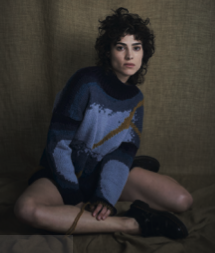
Four villages, one shared standard.
Temple, Farmer, Lentil and Bus Village. Where KOCO hand-knitting happens in rural Tamil Nadu.
Artisans work from centralised village hubs, not from home. The hubs are how quality and fair conditions are held across rural Tamil Nadu.
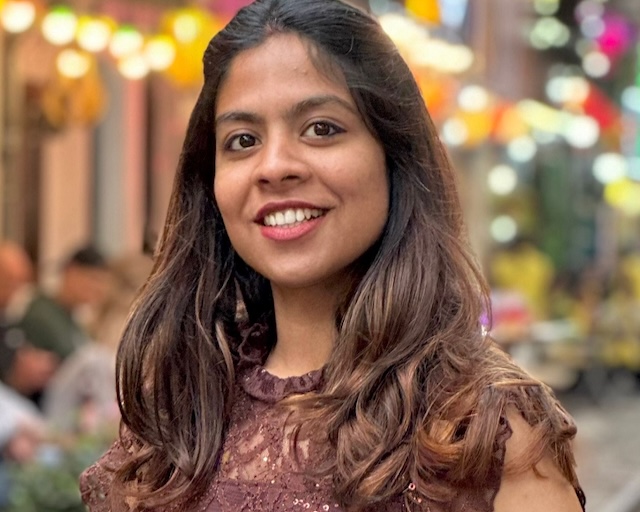
Temple Village
One of four centralised village hubs where artisans gather to knit, not work from home. The hub holds the shared standard: written patterns, tension swatches and the company of other knitters. Work is concentrated here rather than dispersed to isolated home labour.
After the hub opened, women who had no access to schooling entered paid work through training, and now knit to a written pattern alongside experienced artisans.
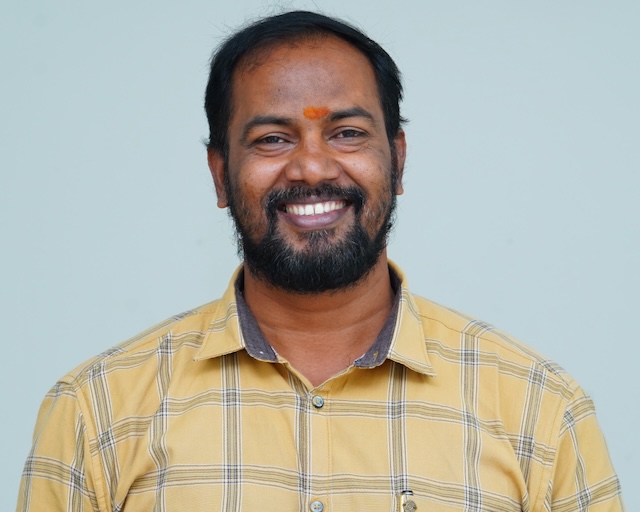
Farmer Village
The hub model is how quality and fair conditions are held, and how a woman new to the craft is supported by experienced knitters beside her. Each hub is a workplace, not a contractor network.
After the hub opened, the village held skilled, paid work that did not require migration to a city. Women trained in literacy and maths now read written patterns that run to fifty pages or more for a single size.
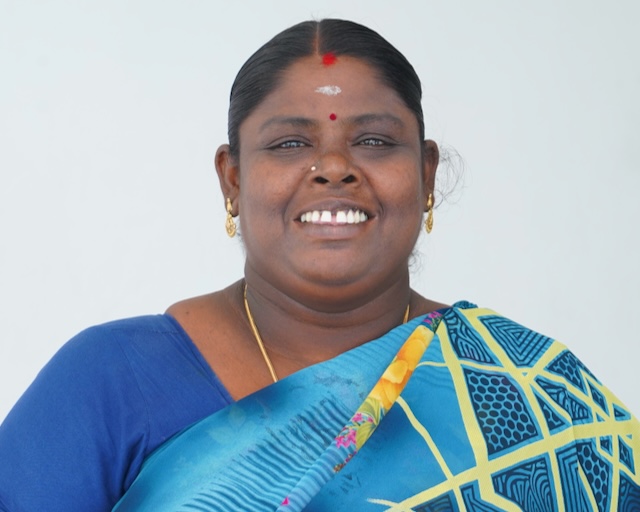
Lentil Village
Artisans train here in English literacy and basic maths, and read written patterns with no abbreviations. Bamboo and timber needles only, zero electricity at any stage.
After the hub opened, the village gained a centralised workplace that brought women into a shared standard rather than isolated home labour, and a route into skilled work.
Bus Village
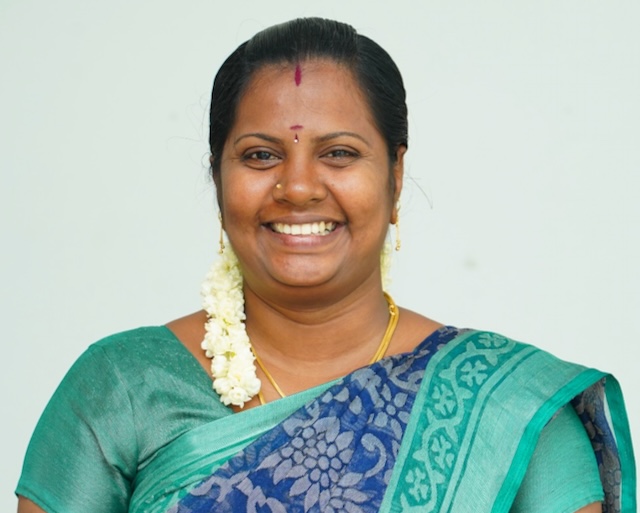
The fourth hub completes the network across rural Tamil Nadu. Every garment is made by a single artisan from first stitch to last, so traceability is built into how the work is organised, not added afterwards.
After the hub opened, the village joined the network of four hubs, extending the model and the shared standard across the region.
The hubs are where the artisans work.
Meet the women who knit for KOCO: their training, their craft, and the one-artisan, one-garment method behind every piece.
Want to see the hubs on your brief?
Send an image or sketch. We will come back with feasibility, indicative costing and lead times for a hand-knit production run.